Advocacy & Policy
Our advocacy and public policy efforts are focused on supporting and improving the lives of people affected by cancer, through treatment and beyond. We collaborate with many other cancer-related advocacy organizations to maximize the impact of our work.
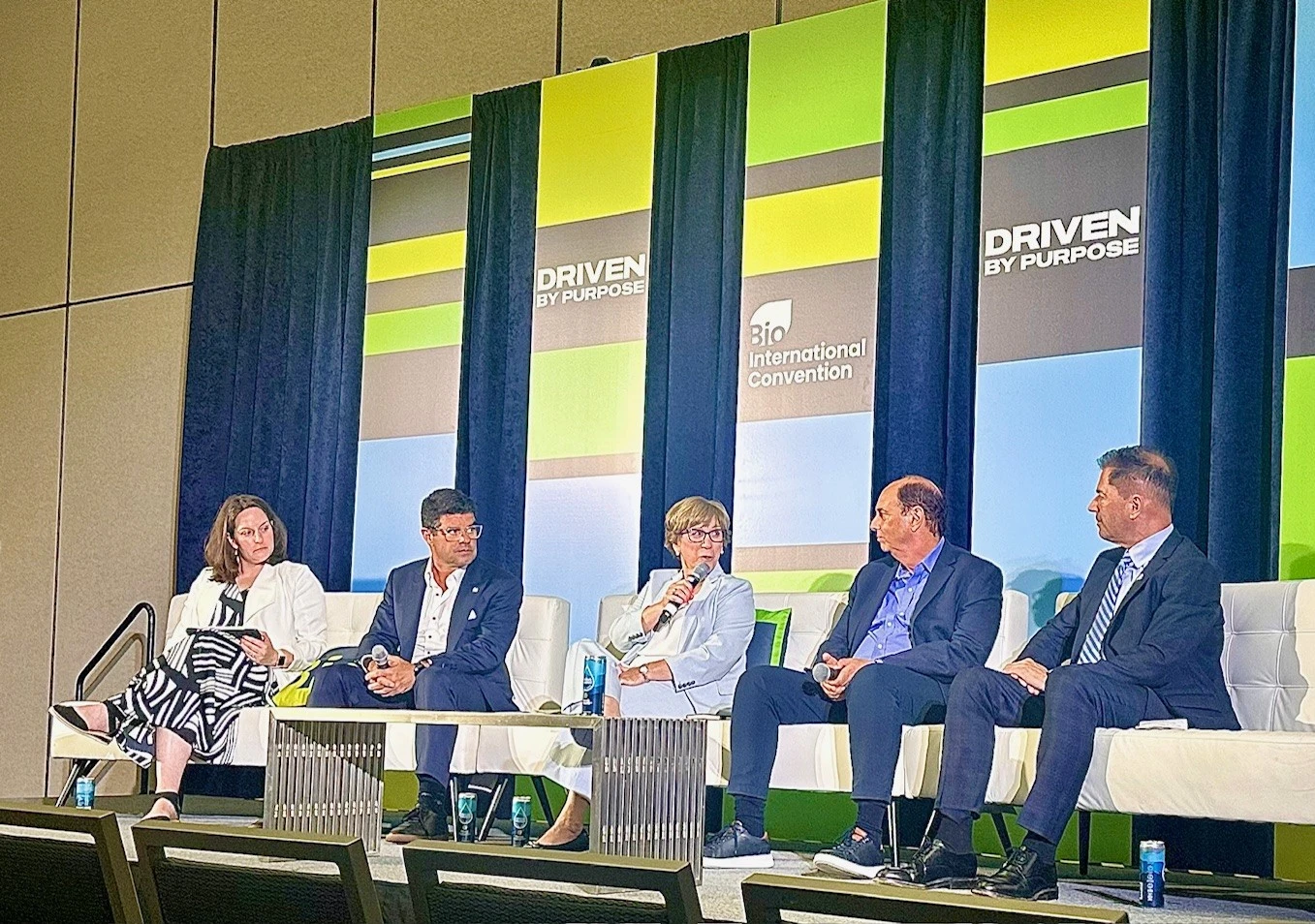
Watch CancerCare’s Kim Czubaruk in a webinar about Medicare’s Six Protected Classes (6PC) policy, which reviews how these protections help ensure access to vital medications. View video »
CancerCare endorses and actively promotes state and federal policies which:
- Ensure equitable access to high quality, safe, affordable and comprehensive cancer treatment for all Americans
- Monitor and protect against potential discriminatory insurance benefit design and implementation
- Enable a responsible process to ensure government-sponsored insurance programs provide patient-centric, quality, and affordable treatment and coverage
- Facilitate shared decision-making in cancer treatment planning that reflects patients’ values and priorities
- Help expedite the development and implementation of survivorship plans for every cancer patient after active treatment
- Fund the rapid development of novel, safe and effective cancer treatment and support therapies
- Promote health equity and reduce health care disparities among vulnerable and underserved communities
Our Advocacy Activities
Since 1992, the federal 340B Drug Pricing Program has enabled eligible hospitals to buy outpatient prescription drugs at steep discounts, with the goal of expanding care for low-income, uninsured and vulnerable patients. A 2026 study by CancerCare and Pioneer Institute found that 340B hospitals provide, on average, less charity care and care for uninsured patients than non-340B hospitals. CancerCare has developed resources to help advocate for 340B program policy reform.
The 340B Accountability Gap (White Paper from Pioneer Institute & CancerCare)
What Patients and Caregivers Should Know About 340B (two-pager)
Watch: Bernetia's Story - 340B Drug Pricing Program
Watch: Margarita's Story - 340B Drug Pricing Program
Watch: Bernetia and Margarita's Experiences With 340B Hospitals
Watch the CancerCare and Pioneer Institute webinar: 340B Drug Pricing Program Webinar
CancerCare created this resource to help people with Medicare understand the Medicare Prescription Payment Plan (MPPP), which lets people spread out prescription drug costs over the year, and the new annual limit on Medicare Part D drug costs. Visit Managing Medicare Drug Costs - Medicare Prescription Payment Plan >>
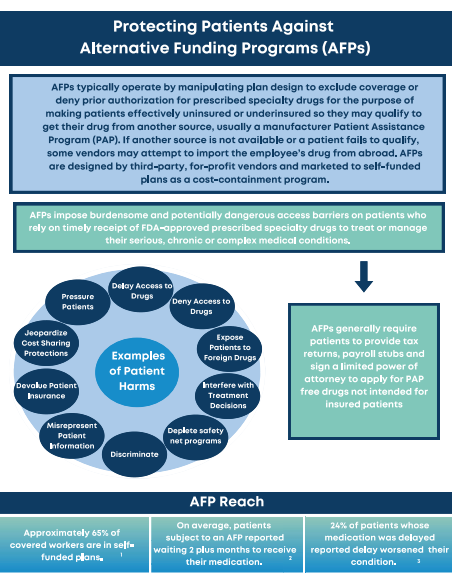
The purpose of these resources is to explain the unintended consequences of alternative funding programs, raise attention to the risks for employers and employees, and provide more ethical cost containment strategies for employer-sponsored health plans.
Alternative Funding Programs - Protecting Patients Against Alternative Funding Programs (two-pager)
Alternative Funding Programs - What Employers Need to Know
Alternative Funding Programs - What Employers Need to Know (one-pager)
Watch CancerCare's Kim Czubaruk to unpack Alternative Funding Programs (AFPs), how they work, and why more patients are facing treatment delays, denials and confusion.