Understanding the Different Names for Biomarker Testing and Their Role in Selecting the Best Treatment for You
Event Date
Tuesday, October 20, 2026
1:30 PM - 2:30 PM ET
Presented in Collaboration with:
- Association for Molecular Pathology
- Advanced Practitioner Society for Hematology and Oncology (APSHO)
- American Cancer Society
- American Psychosocial Oncology Society
- American Society of Clinical Oncology
- Association of Clinicians for the Underserved
- Association of Oncology Social Work
- Black Womens Health Imperative
- Cancer Justice
- Cancer Nation
- Cancer Support Community
- Intercultural Cancer Council
- Joe's House
- Multinational Association of Supportive Care in Cancer
- National Association of Social Workers
- National Comprehensive Cancer Network (NCCN) NCCN Guidelines for Patients
- NeedyMeds
- Prevent Cancer Foundation
- Redes en Acción The National Latino Cancer Research Network
- Research Advocacy Network
- Scott Hamilton CARES Foundation
- The LGBT Cancer Project
- Triage Cancer
This activity is supported by Bristol Myers Squibb, a contribution from Lilly, and an educational grant from Exact Sciences Corporation. CancerCare’s application for continuing education credits for this program is supported by the Diana Napoli Fund.
Topics Covered
- Overview of the Different Names for Biomarker Testing and Why They Can Be Helpful for Treatment
- Tumor Marker Testing, Genomic Profiling, Genomic Sequencing, Molecular Profiling, Next Generation Sequencing
- The Relationship between Biomarker Testing and Precision Medicine
- Types of Biomarker Tests for Cancer Treatment
- Do I Need Biomarker Testing for My Cancer?
- How Is Biomarker Testing Done? Using Samples of Your Cancer and Your Healthy Cells
- Genetic Testing – Inherited or Germline Mutations
- Biomarker Testing as Part of Clinical Trials for New Cancer Treatments
- Other Uses of Biomarkers – Determining a Person’s Cancer Risk or Finding Cancer
- Biomarkers Used to Show if a Treatment is Effective or May Show if Cancer is Returning
- Questions for Our Panel of Experts
Speakers
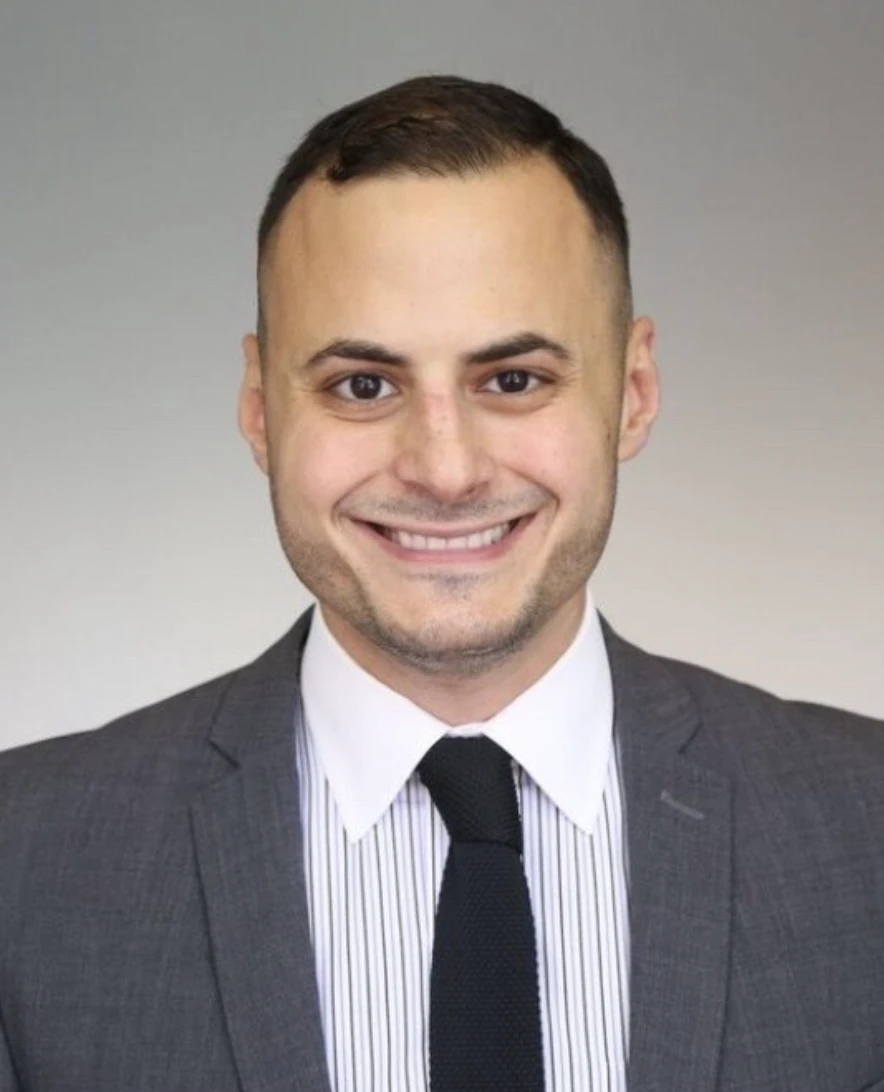 Facilitator
 Facilitator
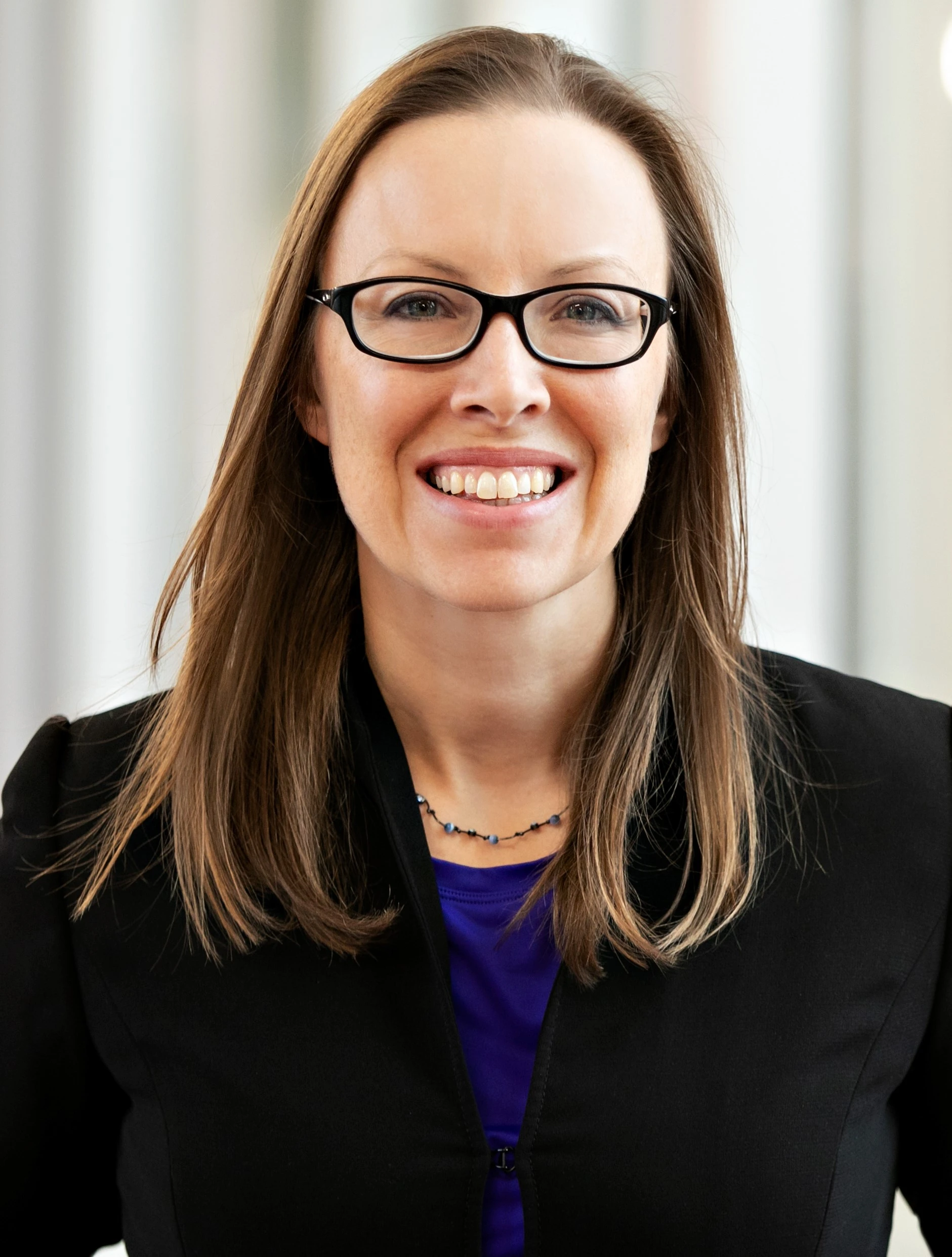 Facilitator
 Facilitator
Continuing Education Credits
Social Workers: This program has been submitted to the University of Texas MD Anderson Cancer Center, an approved provider through the Texas State Board of Social Work Examiners, provider #CS4607, for 1.0 Contact Hour.
Cancer Care, Inc. is recognized by the New York State Education Department’s State Board for Social Work as an approved provider of continuing education for licensed social workers #SW-0088. This workshop is approved for 1.0 Contact Hour.
Certified Health Education Specialists (CHES®): This program is designated for Certified Health Education Specialists (CHES®) and/or Master Certified Health Education Specialists (MCHES®) to receive up to 1 total Category I continuing education contact hour. Cancer Care, Inc is a designated provider of continuing education contact hours (CECH) in health education by the National Commission for Health Education Credentialing, Inc.
To request continuing education paperwork, please fill out the evaluation form(s), included in the email registration packet and evaluation, with your name, address, and license type after the program. For any questions or concerns you may contact us at [email protected]. All paperwork for continuing education credit must be requested, completed, and submitted within two weeks of the live program. Forms only open AFTER the live program.