Progress in the Treatment of Myelodysplastic Syndromes (MDS)
Event Date
Monday, November 24, 2025
1:30 PM - 2:30 PM ET
Presented in Collaboration with:
- The MDS Foundation
- Advanced Practitioner Society for Hematology and Oncology (APSHO)
- AAMDSIF - The Aplastic Anemia and MDS International Foundation
- American Cancer Society
- American Psychosocial Oncology Society
- American Society of Clinical Oncology
- Association for Molecular Pathology
- Black Womens Health Imperative
- Blood Cancer United (formerly Leukemia Lymphoma Society)
- BMT InfoNet
- Bone Marrow and Cancer Foundation
- Cancer Justice
- Cancer Nation
- Caregiver Action Network
- DKMS We Delete Blood Cancer
- Intercultural Cancer Council
- Joe's House
- The LGBT Cancer Project
- MDS Alliance
- National Bone Marrow Transplant Link
- National Comprehensive Cancer Network (NCCN) NCCN Guidelines for Patients
- NeedyMeds
- NMDPsm
- Prevent Cancer Foundation
- Redes en Acción The National Latino Cancer Research Network
- Research Advocacy Network
- Scott Hamilton CARES Foundation
- Triage Cancer
This activity is supported by Bristol Myers Squibb. CancerCare’s application for continuing education credits for this program is supported by the Diana Napoli Fund.
Topics Covered
- Discussion of Myelodysplastic Syndromes (MDS)
- Diagnosis, Staging & Current Standard of Care
- The Role of Hematopathology Examination of a Sample of Your Bone Marrow in Making a Definitive Diagnosis of MDS
- New & Emerging Treatment Approaches
- The Role of Clinical Trials: How Research Increases Your Treatment Options
- Tips to Manage Symptoms, Treatment Side Effects, Discomfort, Pain & Quality-of-Life Concerns
- Nutrition & Hydration Concerns & Tips
- Key Questions to Ask Your Health Care Team During Telehealth Appointments
- Guidelines to Prepare for Telehealth Appointments Including Technology, Prepared List of Questions & Discussion of OpenNotes
- Next Steps After Treatment, Including Follow-up Care in Collaboration with Your Primary Care Doctor & Team
- Questions for Our Panel of Experts
Facilitators
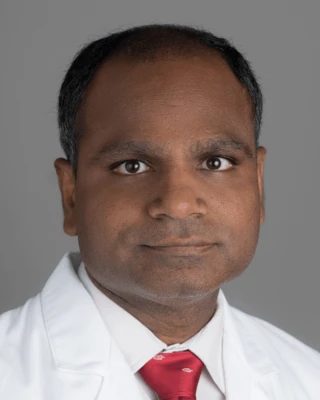 Facilitator
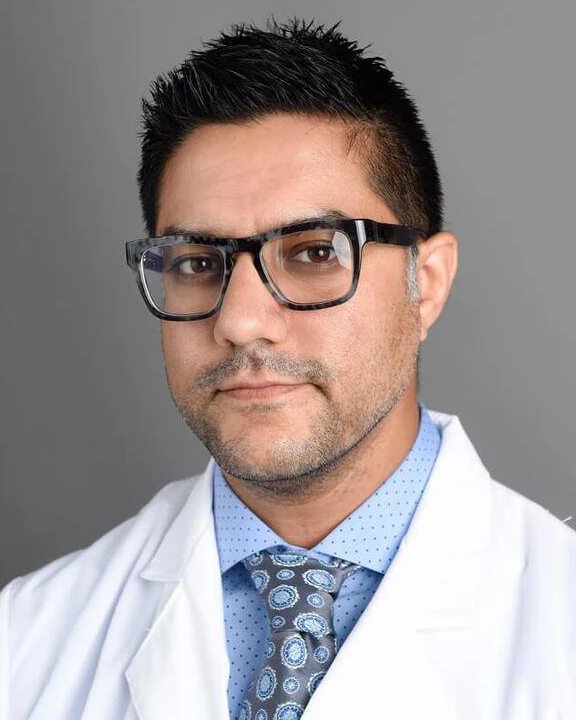 Facilitator
 Facilitator
 Facilitator
 Facilitator
Continuing Education Credits
Live Only
Social Workers: This program has been submitted to The University of Texas MD Anderson Cancer Center, an approved provider through the Texas State Board of Social Work Examiners, provider #CS4607, for 1.0 Contact Hour.
Cancer Care, Inc. is recognized by the New York State Education Department’s State Board for Social Work as an approved provider of continuing education for licensed social workers #SW-0088. This workshop is approved for 1.0 Contact Hour.
Registered Dietitians: This program has been submitted to the Commission on Dietetic Registration for one Continuing Professional Education Unit (CPEU).
Certified Health Education Specialists (CHES®): This program is designated for Certified Health Education Specialists (CHES®) and/or Master Certified Health Education Specialists (MCHES®) to receive up to 1 total Category I continuing education contact hour. Cancer Care, Inc is a designated provider of continuing education contact hours (CECH) in health education by the National Commission for Health Education Credentialing, Inc.
To request continuing education paperwork, please email your name, profession, and address to [email protected] after the program. All paperwork for continuing education credit must be requested, completed, and submitted within two weeks of the live program.