

The story you requested has been removed.
Coping With a Cancer Diagnosis
Acute Lymphoblastic Leukemia
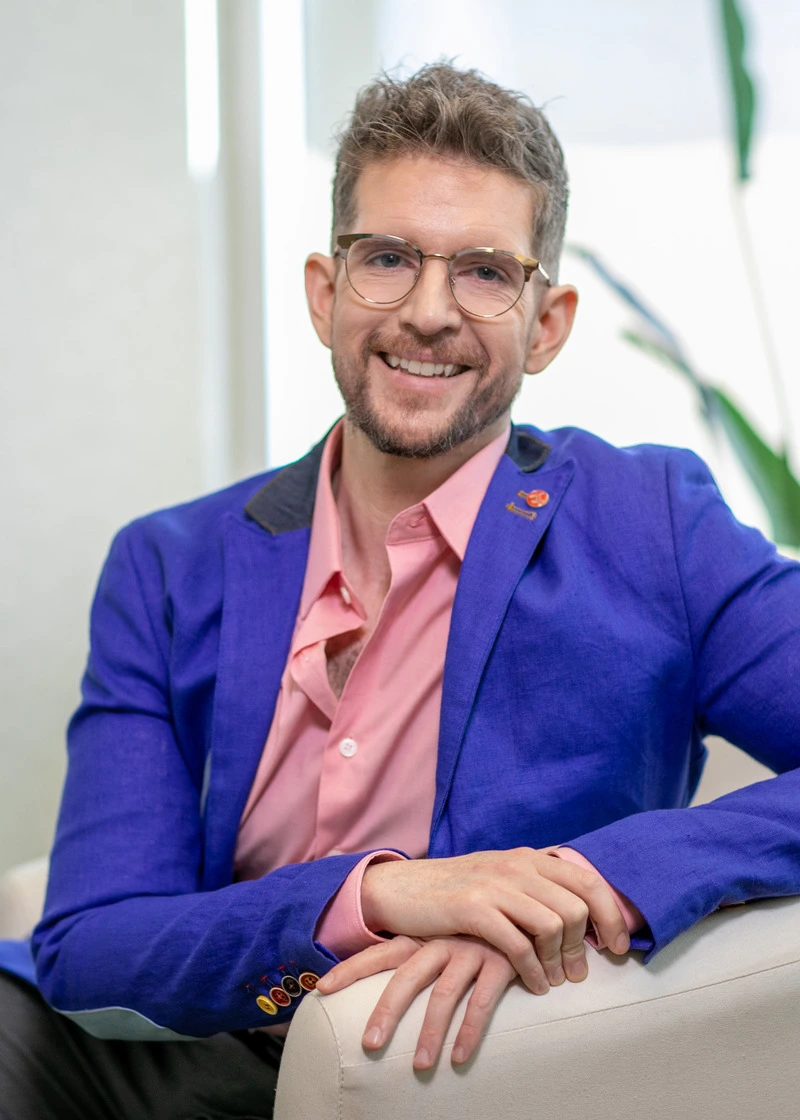 Nolan D.
Acute Myeloid Leukemia
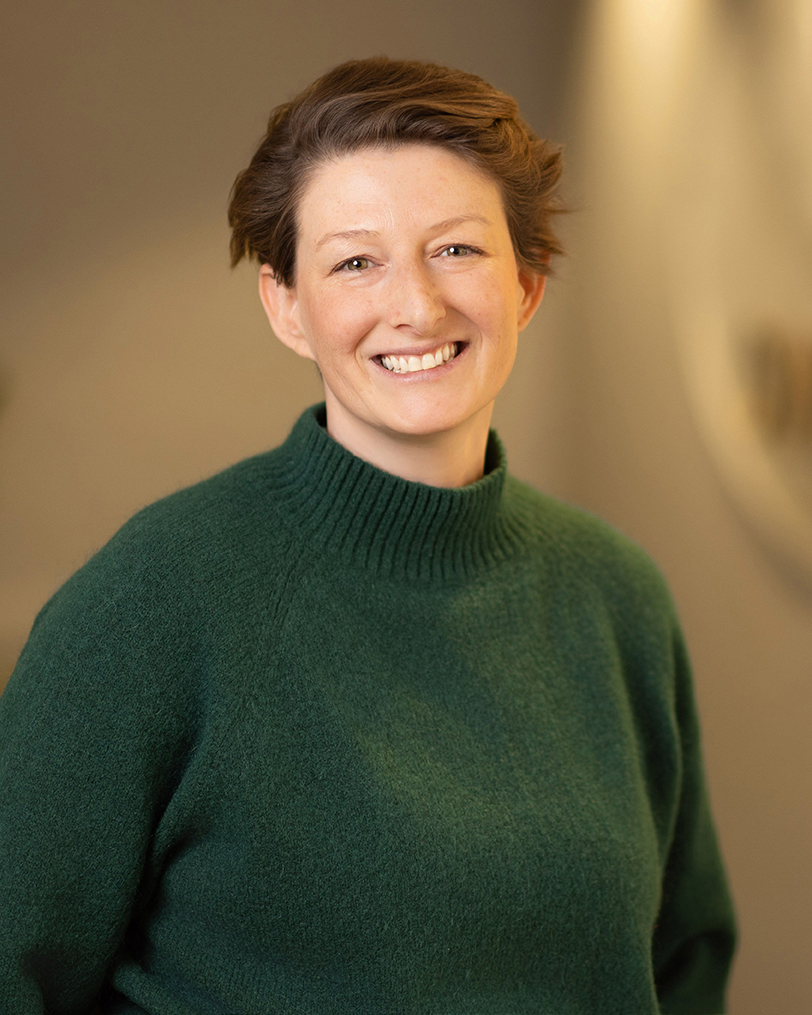 Ashley V.
 Luisa L.
Anal Cancer
 Ronald M.
Bladder Cancer
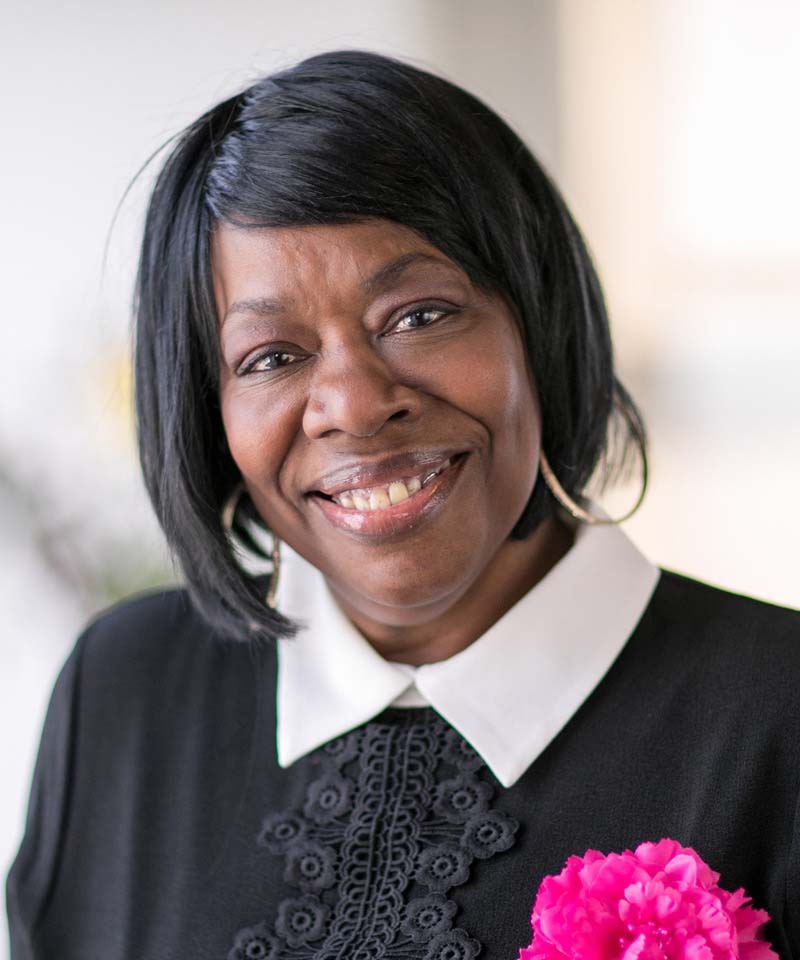 Marlaine H.
“The staff at CancerCare is so thoughtful. I think it’s wonderful that you don’t just treat patients well – you also look out for their friends and family.” Read more
 Ric S.
Bone Cancer
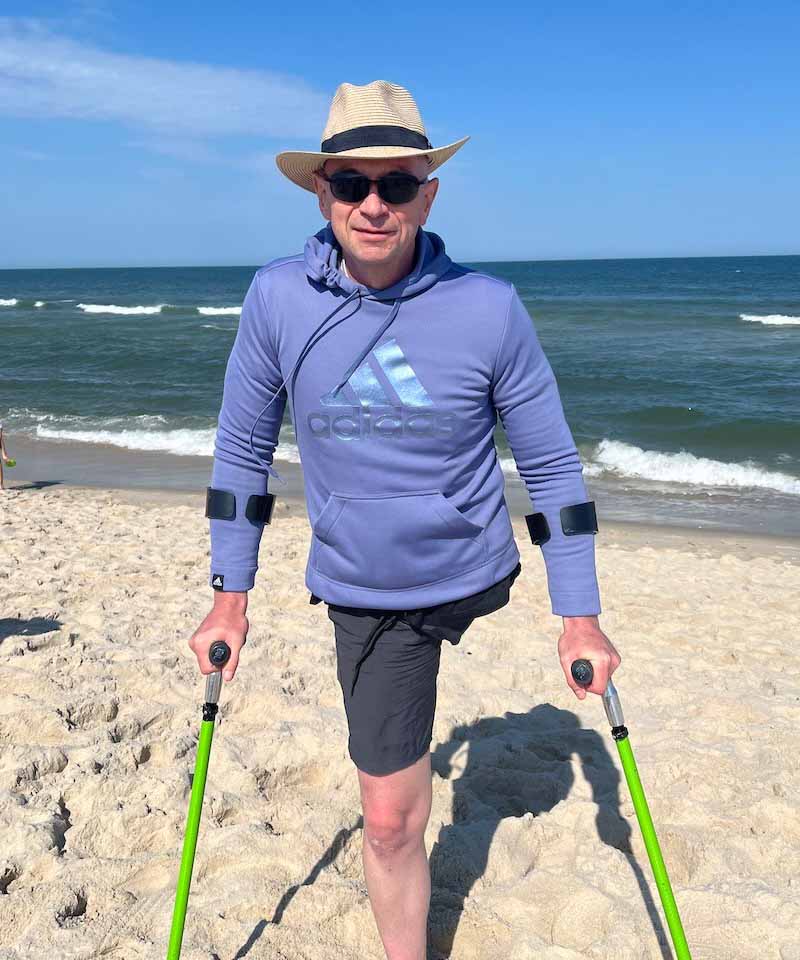 Kris K.
Breast Cancer
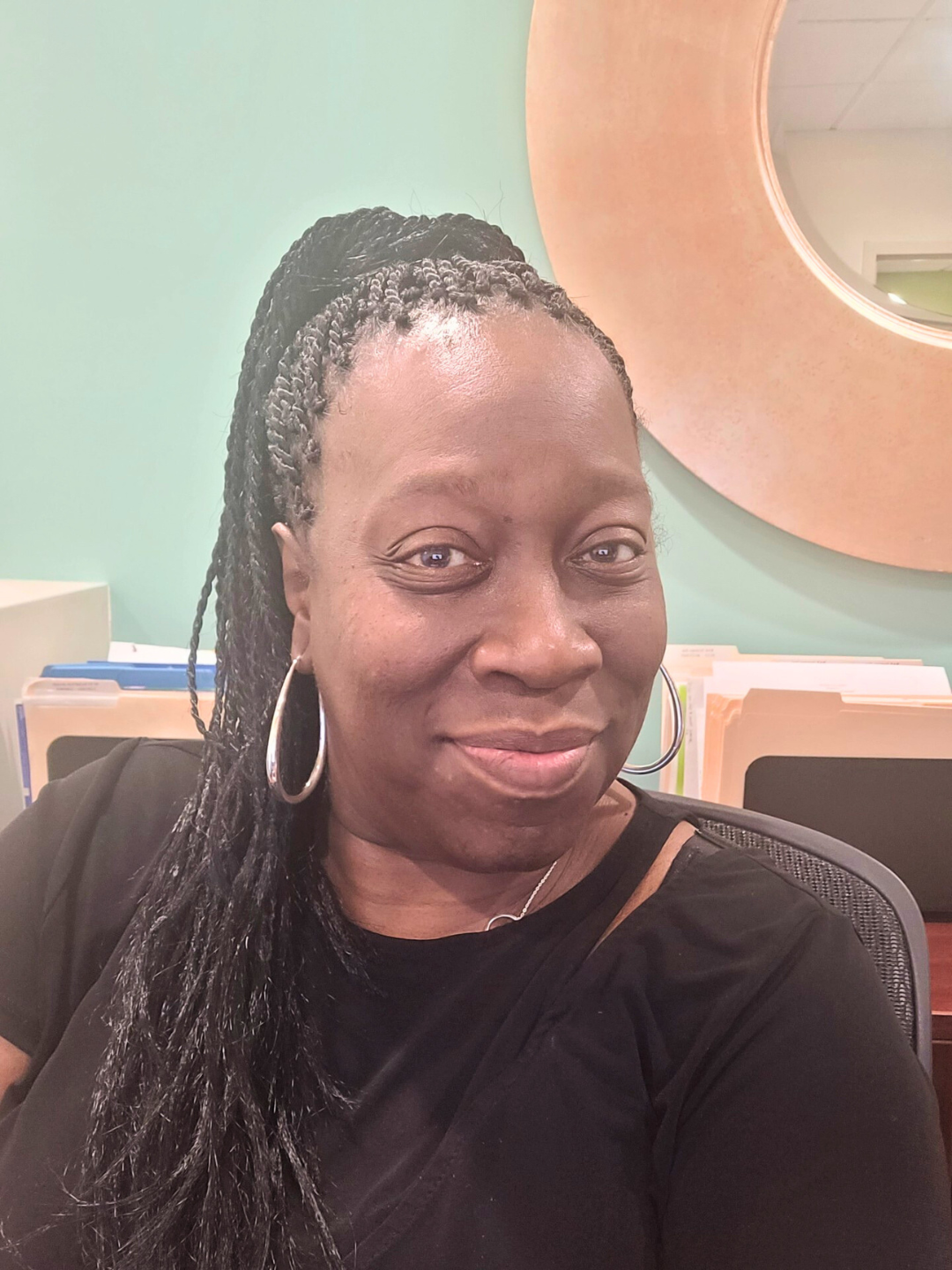 Sabrina T.
“CancerCare offers a community that understands what you’re going through, and that means everything.” Read more
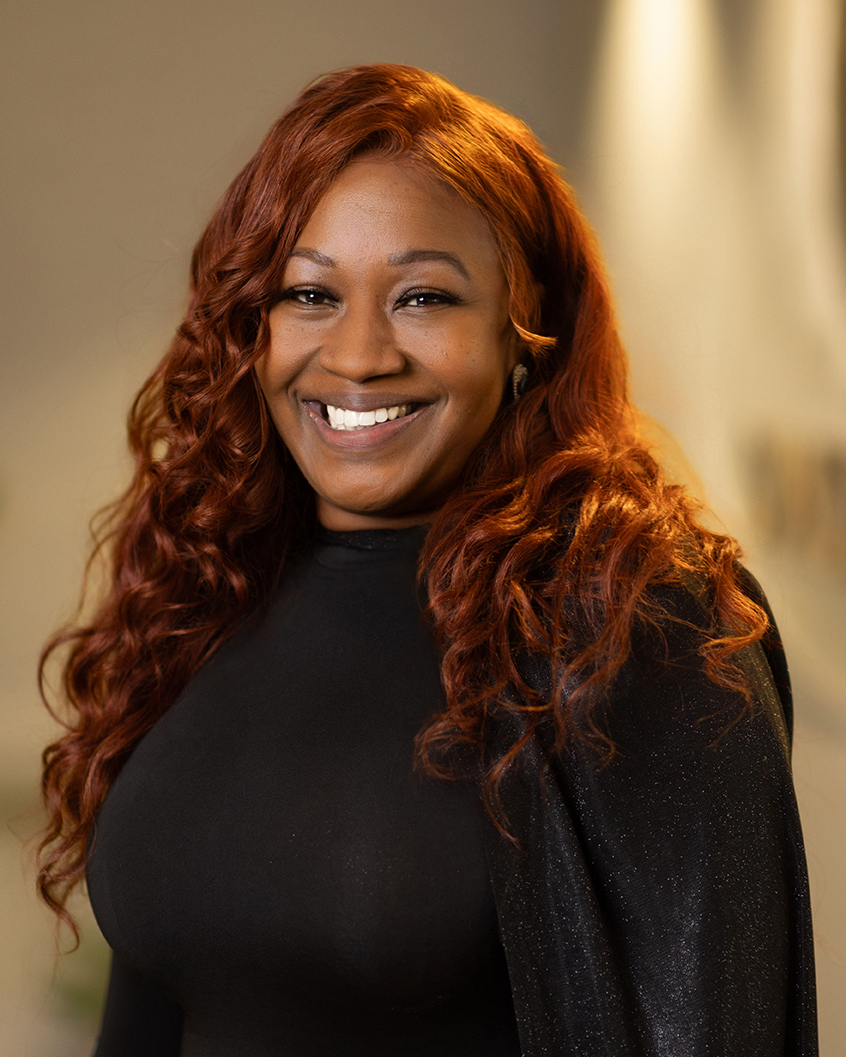 Veronica F.
“CancerCare has helped me build my foundation from start to finish, to show me who I can be before and after cancer. They gave me an outlet of encouragement.” Read more
 Barbara L.
“During treatment, you’re in crisis mode, focusing on getting through it, and not feeling much. Once treatment is over, that’s when it hits you: ‘Oh my God, I had cancer.'” Read more
 Vera S.
“I’ve learned to be really very supportive of other people and what they’re going through. Everyone needs people to care about them, to love them, to be thinking about them and hoping that they are going to be ok. Everybody needs it. It’s really been a huge lesson for me and has made me very aware of how fragile we are.” Read more
 Rasheen D.
“Money was getting tight. I applied for grants and different types of help. I found that CancerCare was just the number one resource for information and financial assistance. They understand the emotions that you’re going to go through. It’s a one-stop shop.” Read more
 Theodosia B.
“When I was first diagnosed, I honestly thought that one day my cancer would go away. Now, I honestly don’t care if I ever hear the word cancer-free again. I have to live this. My advice to others is to stop reaching for a cancer-free diagnosis. Instead, how about we learn to live with this disease?” Read more
 Seynabou B.
“Some advice I would offer others going through a similar situation is give yourself time. It’s ok to take your time to heal, both physically and mentally, from this challenging time.” Read more
 Marianne D.
““I look at what I lost, but also look at what I gained. Cancer made me who I am."” Read more
 Weslinne C.
“I wish I knew more about the importance of breast health at a young age and especially into my adulthood. Cancer doesn’t discriminate, and early detection is key.” Read more
 Valarie T.
“Cancer patients, as you're going through this, there are lifechanging resources that CancerCare offers - financial assistance, community programs, education workshops - those are priceless things that people should take advantage of.” Read more
 Donna S.
 Juliet O.
 Susan T.
 Lisa W.
 Susan G.
 Nancy W.
 Becky C.
 Lori G.
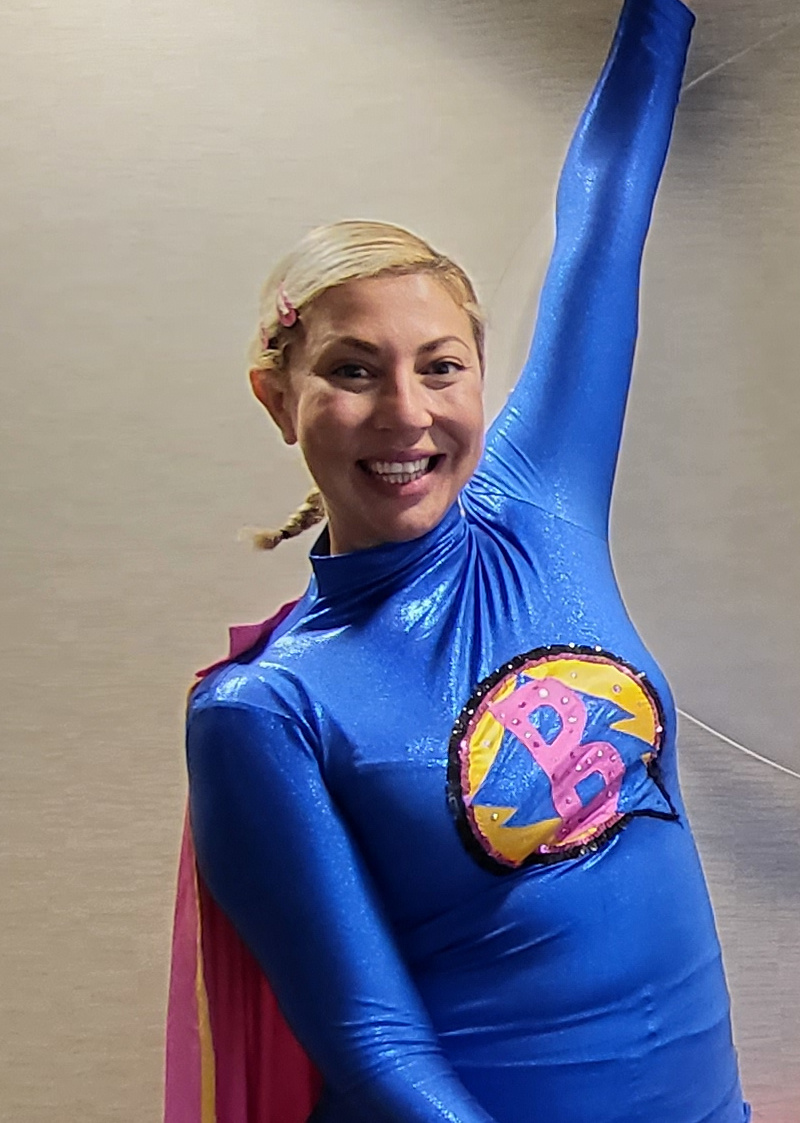 Bianca I.
 Tamara N.
Carcinoid Tumor
 Greta S.
Cervical Cancer
 Regina D.
Chronic Lymphocytic Leukemia
 Sigrun K.
 Ekata D.
Colorectal Cancer
 Jessica E.
“I reached out and thank goodness I was able to get a wonderful therapist who I met with on a monthly basis, going over support and coping skills within that therapy.” Read more
Endometrial Cancer
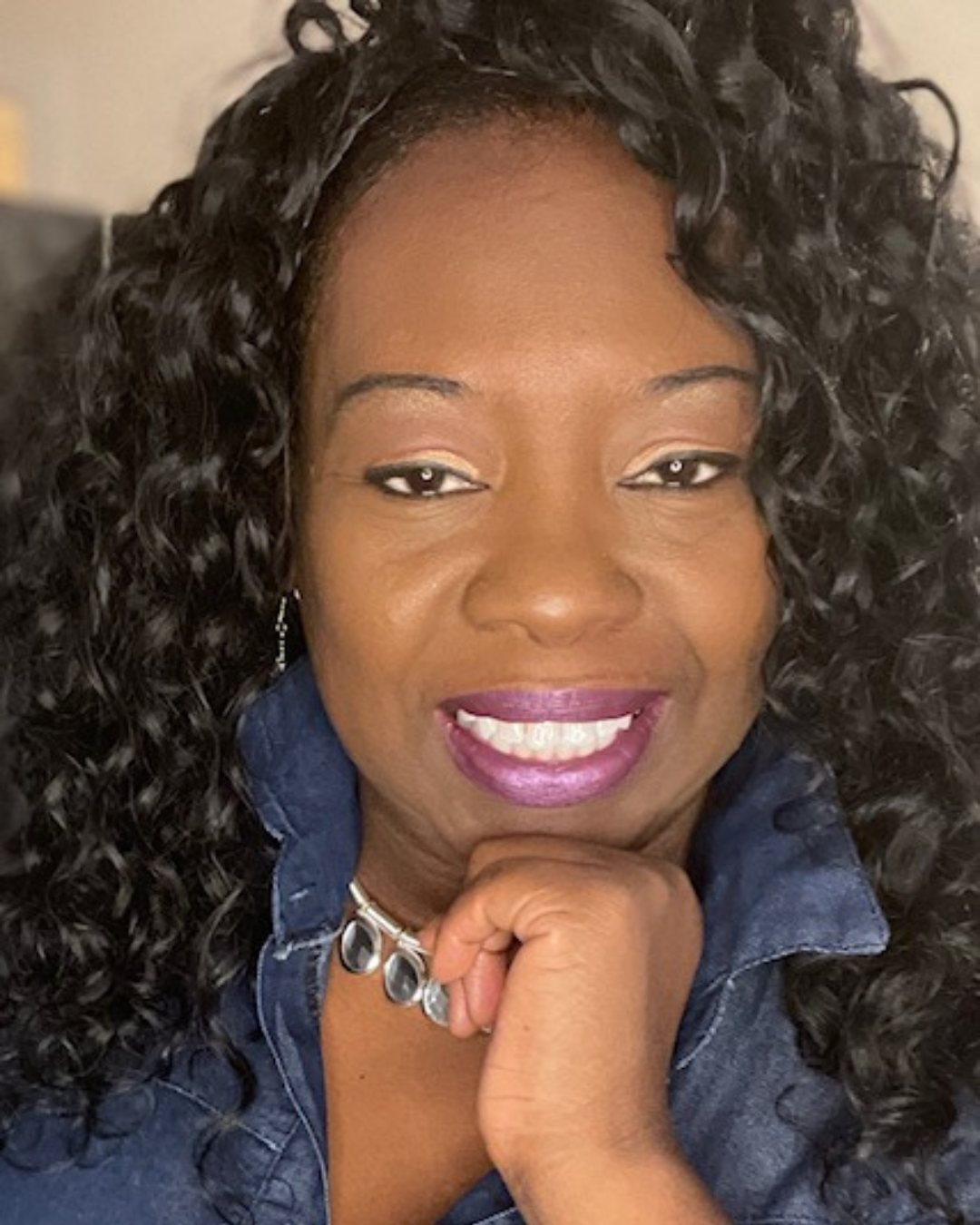 Malissa M.
“My counselor from CancerCare helped me to hear my voice.” Read more
Gastric Cancer
 Derrian G.
“My hurdles ultimately created a new mindset within which I dispelled fear and doubt. Through a combination of many people’s efforts, faith and optimism, I reached a greater level of confidence and gratitude.” Read more
Hodgkin Lymphoma
- Marianne D.
““I look at what I lost, but also look at what I gained. Cancer made me who I am."” Read more
 Kouichi W.
“Nothing is self-made. There’s no self-made person. You need to be able to learn how to tap into other resources and ask people for help when you’re in a situation like cancer.” Read more
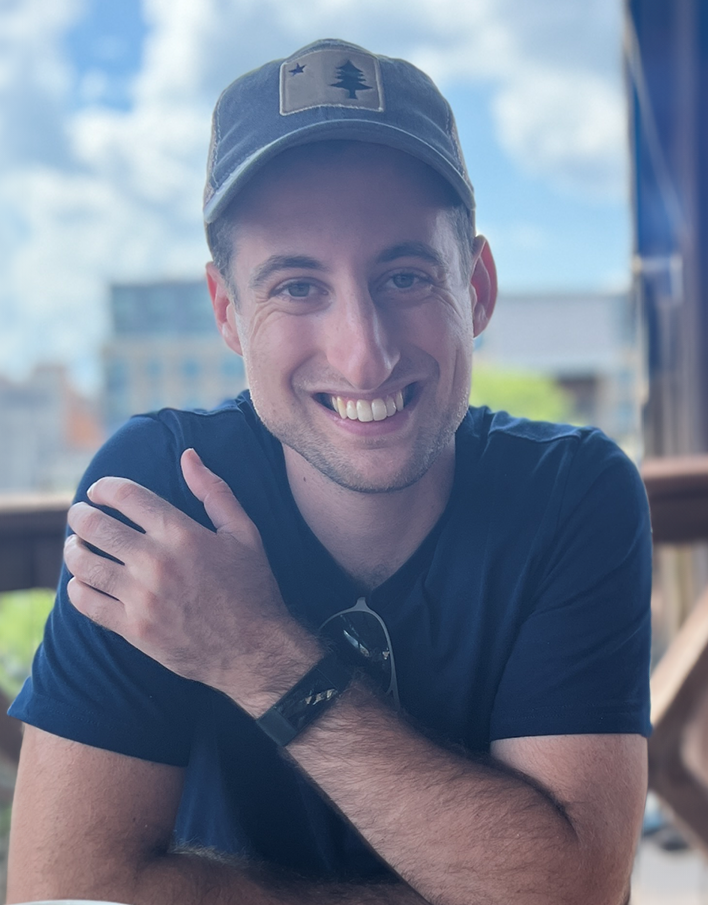 Josh W.
 Anita J.
Leukemia
Lung Cancer
 Suzanne W.
“No matter what your state of health, the diagnosis of cancer is overwhelming for the patient and for everyone close. Anxiety, sadness and depression are common for most cancer patients, and I was no exception. So I looked for a support group and that is how I found CancerCare.” Read more
 Phyllis D.
“I always try to look at the glass half full and think positive thoughts each and every day.” Read more
 Allen M.
“Living through much adversity can either make you bitter or more caring and empathetic. I am truly blessed because it made me a more caring and giving person. Cancer made it important for me to reach out and help others and not to dwell on myself or feel sorry for myself. It is important to me to share this with others. It may sound sappy. But it is real and very healing.” Read more
 Maria A.
 Nila W.
 Cari D.
 Arlene C.
Lymphoma
- Kouichi W.
“Nothing is self-made. There’s no self-made person. You need to be able to learn how to tap into other resources and ask people for help when you’re in a situation like cancer.” Read more
 Judith H.
Melanoma
 Jonah E.
Metastatic Breast Cancer
- Rasheen D.
“Money was getting tight. I applied for grants and different types of help. I found that CancerCare was just the number one resource for information and financial assistance. They understand the emotions that you’re going to go through. It’s a one-stop shop.” Read more
- Theodosia B.
“When I was first diagnosed, I honestly thought that one day my cancer would go away. Now, I honestly don’t care if I ever hear the word cancer-free again. I have to live this. My advice to others is to stop reaching for a cancer-free diagnosis. Instead, how about we learn to live with this disease?” Read more
Multiple Myeloma
- Valarie T.
“Cancer patients, as you're going through this, there are lifechanging resources that CancerCare offers - financial assistance, community programs, education workshops - those are priceless things that people should take advantage of.” Read more
Ovarian Cancer
 Judy N.
Prostate Cancer
 Laurence J.
“The group as a whole has become like a unified support system where anything goes – any question, any topic, any fear. It’s about surviving our lives and it’s been very helpful.” Read more
 Mike C.
Rare Cancers
 Michelle K.
“Joining a CancerCare young adult survivorship support group has been pivotal in my healing.” Read more
Sarcoma
 Charles H.
“Connecting with CancerCare should be a no-brainer. It’s a great organization.” Read more
Squamous Cell Cancer
 Willard B.
“I never panicked. I just said, ‘Okay, so what do we do? I’m ready for anything. Let’s go.’” Read more
Stomach Cancer
 Ira N.
Uterine Cancer
 Helaine B.
“CancerCare made me feel human. You made me feel like cancer was part of my story, and not all of who I am.” Read more
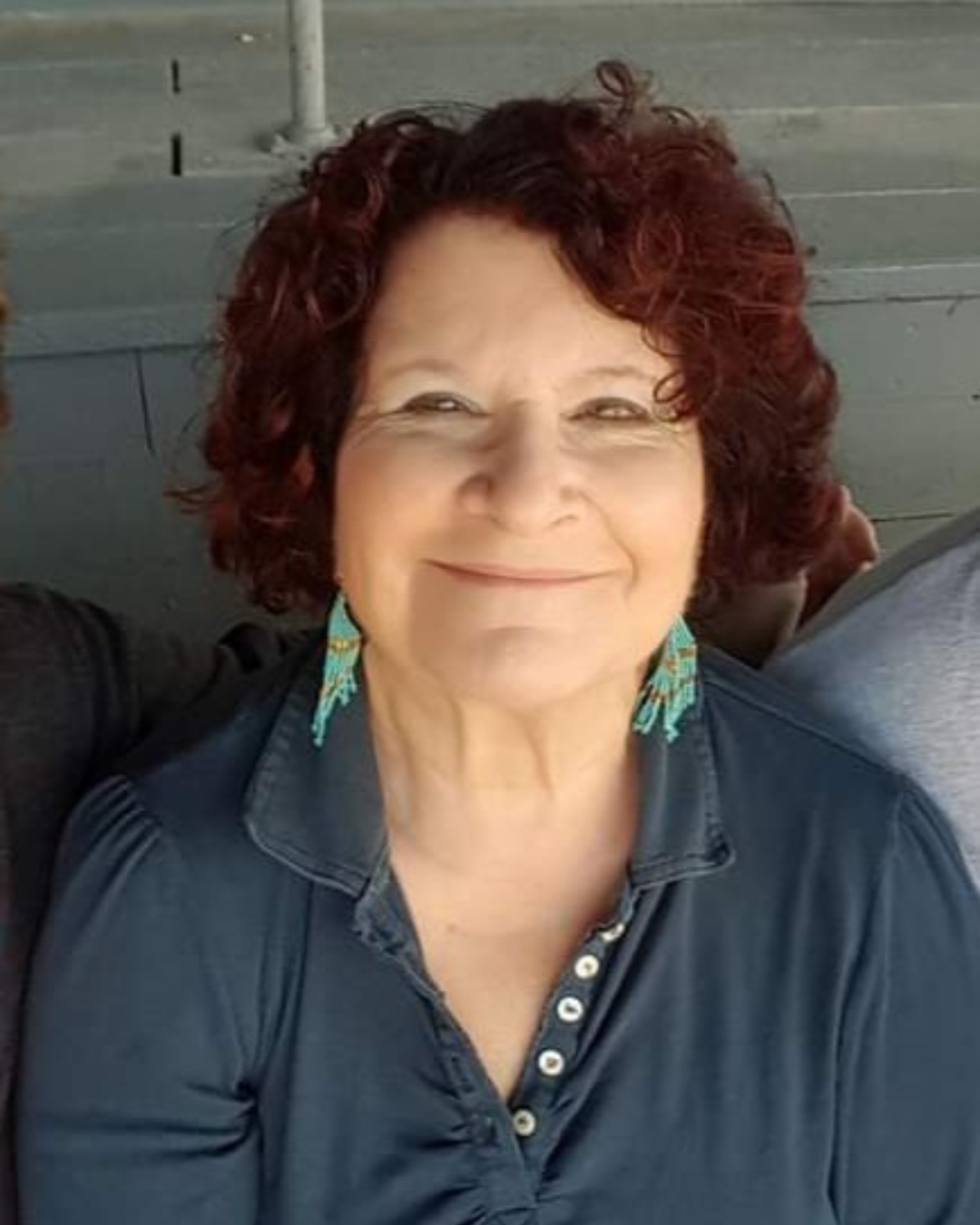 Muriel L.
Coping With Caregiving
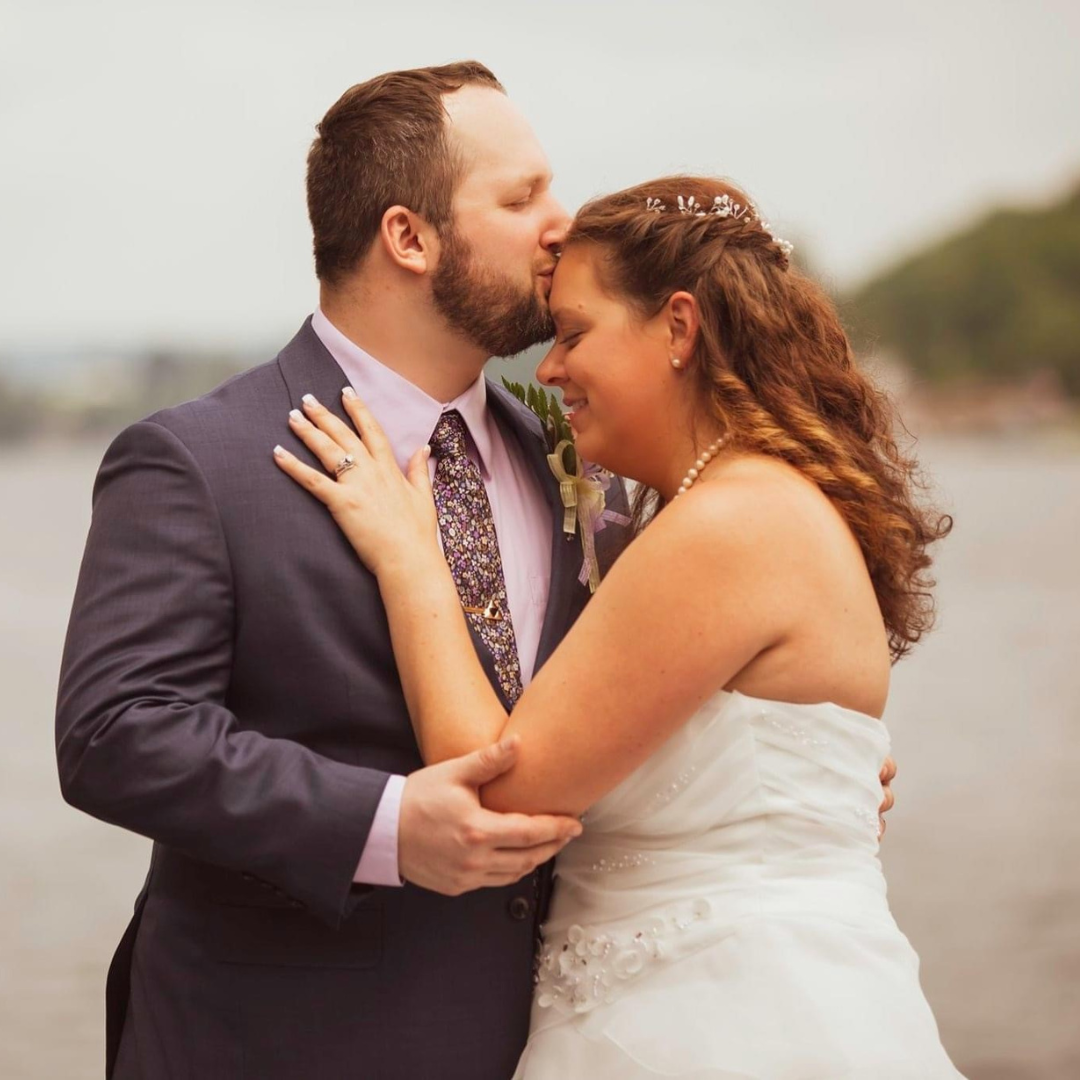 Whitney M.
“Don’t be afraid to reach out for help and find someone to talk to.” Read more
 Jessica W.
“Cancer has provided a unique perspective shift," said Jessica. "It's a crash course into what matters most.” Read more
 Valarie K.
“We have to go 60 miles from her home to the clinic for her treatments so this assistance is invaluable to us. This is especially invaluable on a fixed income. We are so grateful to CancerCare.” Read more
 Kathryn W.
“Some of the most important things to keep in mind while caring for a loved one is that it’s important to listen to them and give them a safe space, but also to have them listen to you and let them take care of you a little bit sometimes.” Read more
 Elise F.